
Retaining walls improve both the appearance and stability of a property by holding back soil, reducing water runoff, and creating more usable land. Professional retaining wall construction services can also help prevent structural damage caused by shifting ground, poor drainage, and erosion on sloped landscapes.
Have you noticed water pooling, soil washing away, or uneven ground making your yard harder to maintain? A professionally designed retaining wall can solve those issues while improving the overall look and function of your property.
What Are the Three Types of Retaining Walls?
Retaining walls support sloped ground and help create a safer, more usable outdoor space. Different wall styles work better for certain properties, soil conditions, and design goals. Most retaining wall ideas fall into three common categories:
- Gravity retaining walls
- Cantilever retaining walls
- Sheet piling retaining walls
Gravity Retaining Walls
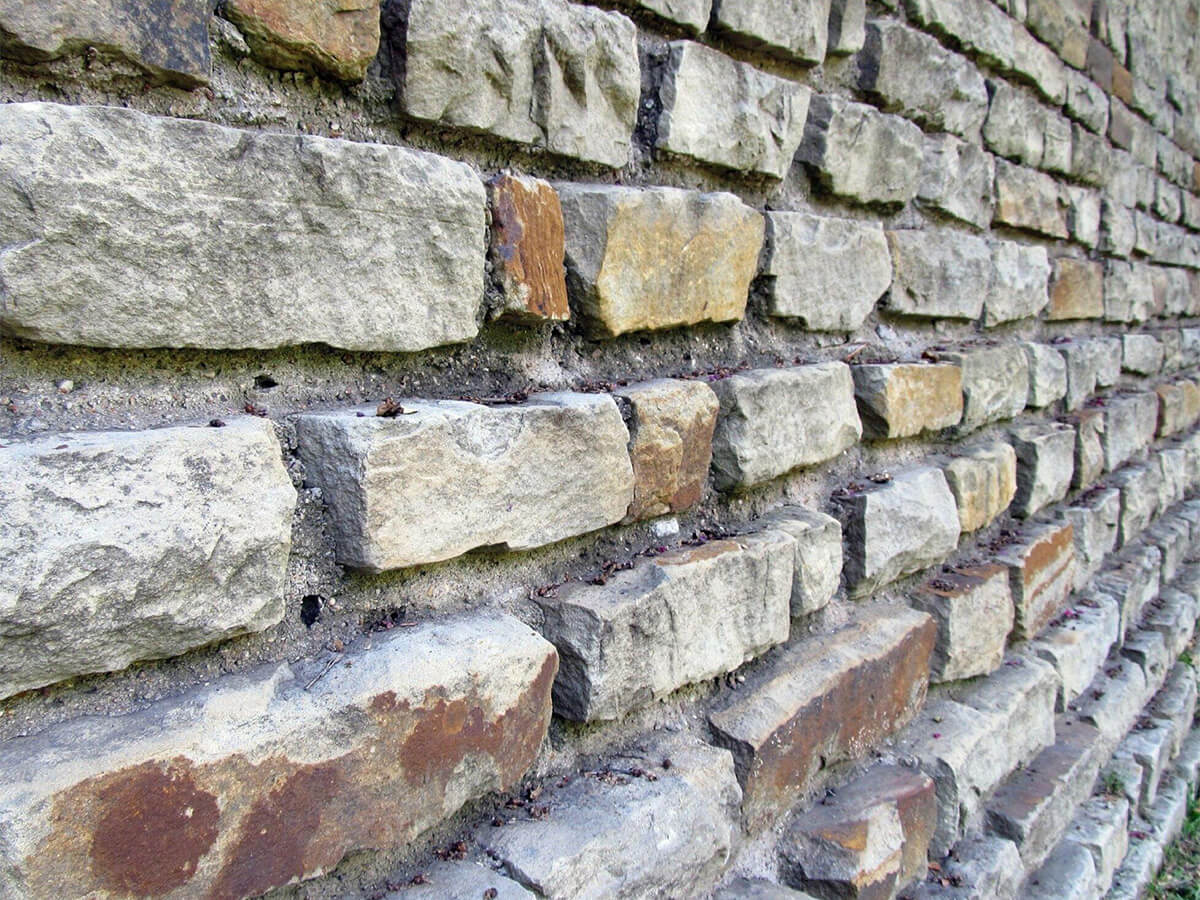
Gravity retaining walls rely on their weight to hold back soil. Builders often use concrete blocks, brick, or stone wall installation for these projects.
Many homeowners choose this option for garden beds and smaller slopes. Natural stone gives the wall a more classic look, while concrete blocks create a cleaner style. A landscape design expert may suggest gravity walls for properties that need both support and visual appeal.
Cantilever Retaining Walls
Cantilever retaining walls use reinforced concrete and a strong base slab beneath the ground. That structure helps the wall resist pressure from the soil behind it.
Larger residential and commercial projects often use this design. Contractors prefer cantilever walls for taller slopes or areas with heavier loads. Proper planning matters with this type of construction since the foundation supports most of the weight.
Sheet Piling Retaining Walls
Sheet piling retaining walls work well in tight spaces or soft soil conditions. Contractors drive thin sections of steel, vinyl, or wood deep into the ground to create support.
Coastal properties and areas with loose soil often benefit from this style. Many property owners use sheet piling walls for soil erosion control near water or steep grades.
Does a 3 Ft Retaining Wall Need Drainage?
A smaller retaining wall may not look like a major structure, yet water pressure can still create serious problems over time. Many property owners focus on wall height and overlook drainage until cracks or shifting begin to appear.
Several drainage features work together to reduce water buildup behind the wall:
- Gravel backfill
- Drain pipes
- Weep holes
Gravel Backfill
Contractors often place gravel directly behind the retaining wall to help water move through the soil. Gravel creates open space that allows moisture to drain instead of collecting behind the structure.
Wet soil becomes much heavier, which increases pressure against the wall. Good backfill materials lower the risk of leaning or bowing over time.
Drain Pipes
Many retaining wall construction services install perforated drain pipes near the base of the wall. Those pipes carry water away before pressure builds up underground.
Drain pipes matter in areas with heavy rain or poor soil drainage. Clay-rich soil tends to trap moisture, which can weaken the wall’s foundation if water has nowhere to go.
Weep Holes
Weep holes allow trapped water to escape through small openings in the wall itself. Builders often include them in concrete and masonry retaining walls.
A landscape design expert may recommend combining weep holes with gravel and drain pipes for better performance. Strong drainage helps the wall last longer and keeps nearby soil more stable during storms.
Benefits of Professional Retaining Wall Construction Services
Strong retaining walls start with proper excavation and grading. Contractors check the slope, soil type, and drainage conditions before building begins.
A weak foundation can cause the wall to crack or lean as pressure builds underground. Many retaining wall construction services use compacted base materials to improve stability. Careful planning helps support soil erosion control and lowers the chance of future damage.
Material Selection
Different materials create different results for strength, maintenance, and appearance. Some homeowners prefer natural stone wall installation for a more traditional style.
Others choose concrete blocks for a cleaner and more uniform look. A landscape design expert can help match the wall to nearby patios, gardens, or walkways. Material choice matters for both appearance and long-term performance.
Long-Term Property Value
A professionally built retaining wall can improve drainage, expand usable yard space, and create a more polished appearance. Buyers often notice retaining walls that blend well with the surrounding property.
Poorly built walls stand out for the wrong reasons. Professional installation helps the structure last longer and reduces the need for costly repairs later. Good construction can make an outdoor space feel more organized and easier to maintain.
Frequently Asked Questions
What Is the Average Lifespan of a Retaining Wall?
The lifespan of a retaining wall depends on the material, drainage system, and construction quality. Concrete and natural stone walls can last more than 50 years with proper care.
Timber walls often have a shorter lifespan and may need replacement sooner. Regular inspections help property owners spot drainage issues or soil movement before major damage develops.
Can Retaining Walls Help Prevent Flooding?
Retaining walls can help control water runoff and reduce erosion around a property. Many walls include drainage systems that move water away from the structure and nearby soil.
Some projects use retaining walls alongside grading improvements or drainage channels for better soil erosion control. Large flooding problems may still require added drainage solutions.
How Long Does a Retaining Wall Installation Usually Take?
Small retaining walls may take only a few days to complete. Larger projects can take several weeks depending on weather, slope conditions, and material choice. Stone wall installation often requires more labor and preparation time than concrete block systems.
Better Soil Erosion Control
Professional retaining wall construction services can create safer, more functional outdoor areas while reducing long-term maintenance concerns.
At Yorkville Hill Landscaping, we create outdoor spaces that combine beauty, function, and personal style. Our team takes a hands-on approach to every project, working closely with clients to deliver landscaping solutions that fit their goals and property needs. We’re committed to quality craftsmanship and customized service, which helps us stand out as one of the top landscaping companies in Yorkville.
Get in touch today to find out how we can help with your retaining wall needs!